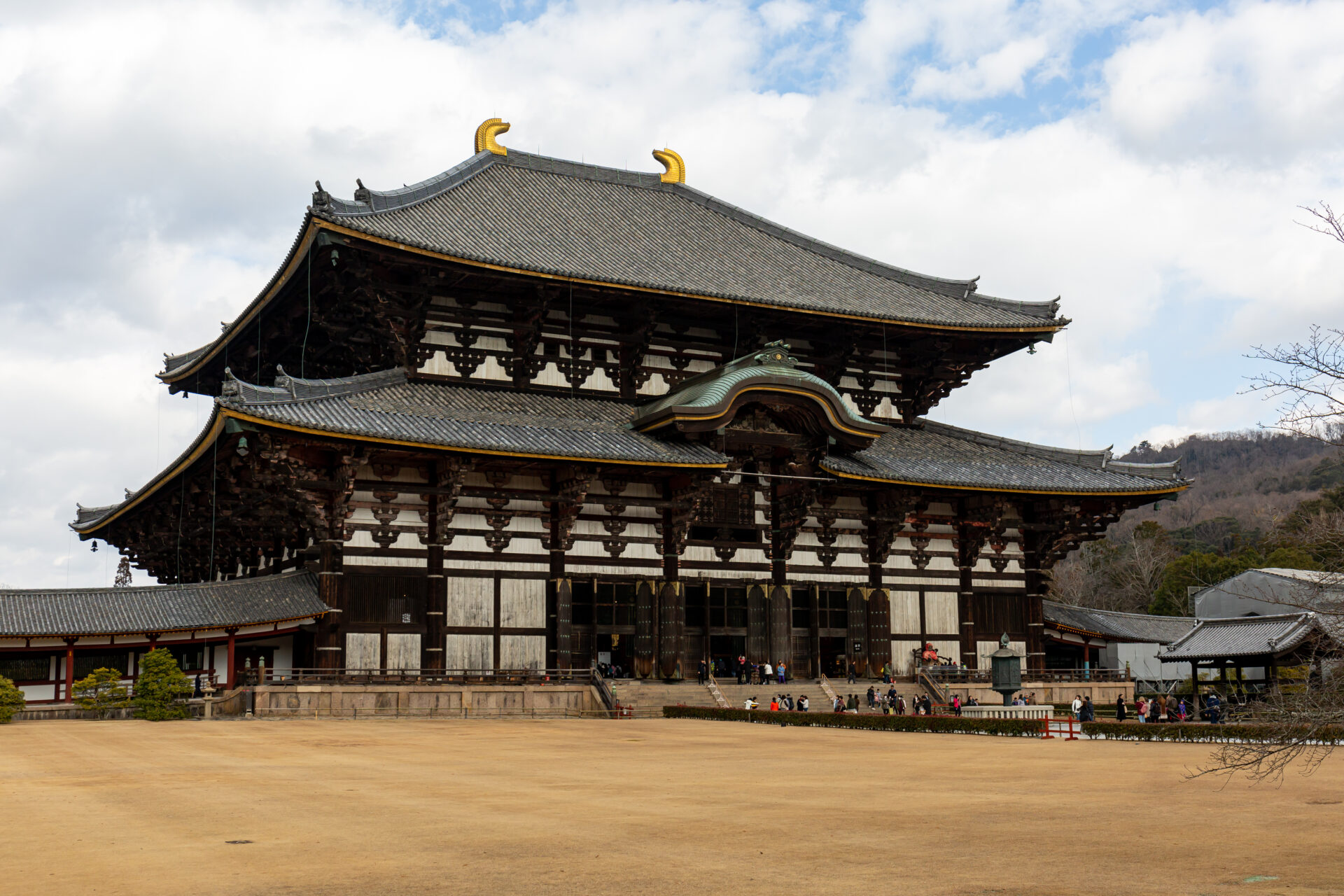
Tōdai-ji is the temple experience that makes Nara feel monumental. Set within the northern reaches of Nara Park, this historic Buddhist complex leads visitors from the great Nandaimon Gate toward the Daibutsu-den, or Great Buddha Hall, where the scale of the building gradually gives way to an even more memorable sight: the seated bronze Vairocana Buddha. The hall is not simply a photo stop. Its timber frame, high roofline and dim interior create a deliberate sense of arrival before you stand before one of Japan’s defining sacred images.
The temple’s story reaches back to the eighth century. Its predecessor was founded in 728, Emperor Shōmu ordered the Great Buddha in 743, and the image was dedicated in 752. Fire destroyed the Great Buddha Hall twice; the present Edo-period hall was completed in 1709. That layered history is part of the visit: Tōdai-ji is both a living place of worship and a monument shaped by rebuilding, devotion and the political importance of ancient Nara.
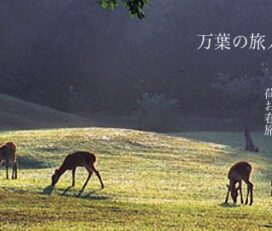
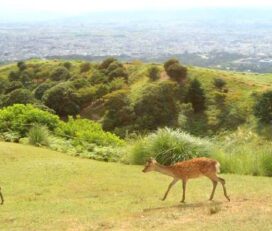
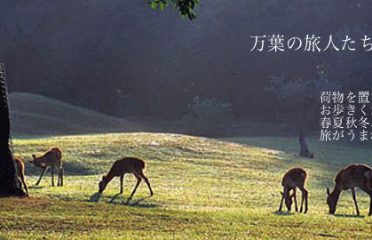
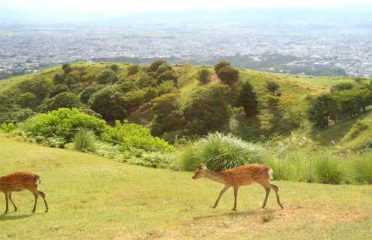
Give the complex more time than a quick look inside the main hall. Pass the guardian figures at Nandaimon, then continue toward the quieter halls and slopes around Nigatsu-dō. The temple grounds connect naturally with Nara Park, so deer may share the walk, but the primary draw remains the architecture, Buddhist art and powerful quiet of the Daibutsu-den.
Visit respectfully, check the temple’s official site for the latest hours and admission details, and avoid drones or smoking within the precincts. Come early enough to take in the approach without rushing, then leave room to follow the paths outward into the wider park after the Great Buddha Hall has had its full effect.