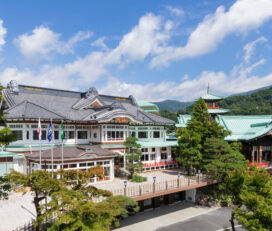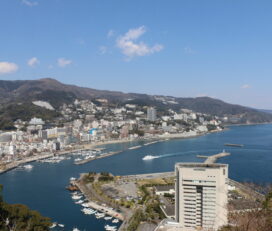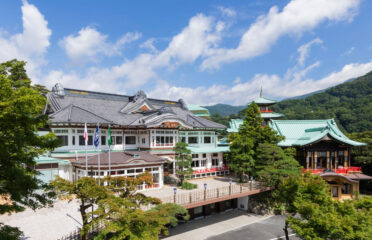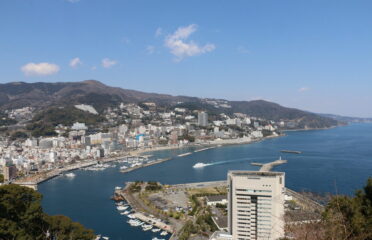


Hakone Onsen isn’t a single address so much as an entire hillside dedicated to hot water — dozens of thermal springs scattered across the town of Hakone in Kanagawa’s Ashigarashimo District, roughly ninety minutes from central Tokyo by car or train. The springs themselves vary block by block: some, like Yumoto, sit right where the Hayakawa and Sukumogawa rivers meet and have been drawing bathers since the feudal era, with centuries-old ryokan lining the water and souvenir shops selling black eggs boiled in the sulfurous springs of nearby Owakudani. Others, higher up toward Gora and Sengokuhara, trade easy access for quieter mountain views and newer resort-style baths with Fuji-facing windows on a clear day. The smart way to experience it is to pick one base and build a loop: soak in a traditional wood-and-stone bath at a historic inn, ride the Hakone Tozan switchback railway or the ropeway up toward Owakudani’s volcanic vents, then cross Lake Ashi by pirate-ship cruise boat for a view back toward the mountains. Day-trippers can buy single-visit tickets at several of the larger spa facilities without booking an overnight stay, which makes Hakone an easy add-on even for travelers based in Tokyo who just want a few hours of outdoor bathing and mountain air. If you do stay over, accommodations range from simple family-run guesthouses to elaborate resort ryokan with private open-air baths attached to each room — book ahead during cherry blossom and autumn foliage season, when the whole valley fills up fast. Bring a small towel for the walk between changing room and bath (most traditional inns don’t provide one for public areas), and budget extra time for transit; the winding mountain roads and switchback train make even short distances take longer than the map suggests.