Ueno Zoological Gardens is Japan’s oldest zoo, open continuously since 1882 in the heart of Tokyo’s Taito City. Spread across roughly 14.4 hectares split into East and West Gardens, connected by a monorail and a pedestrian bridge over Ueno Park, it now holds more than 3,000 animals across some 300 species, making it one of the largest and most-visited zoos in the country.
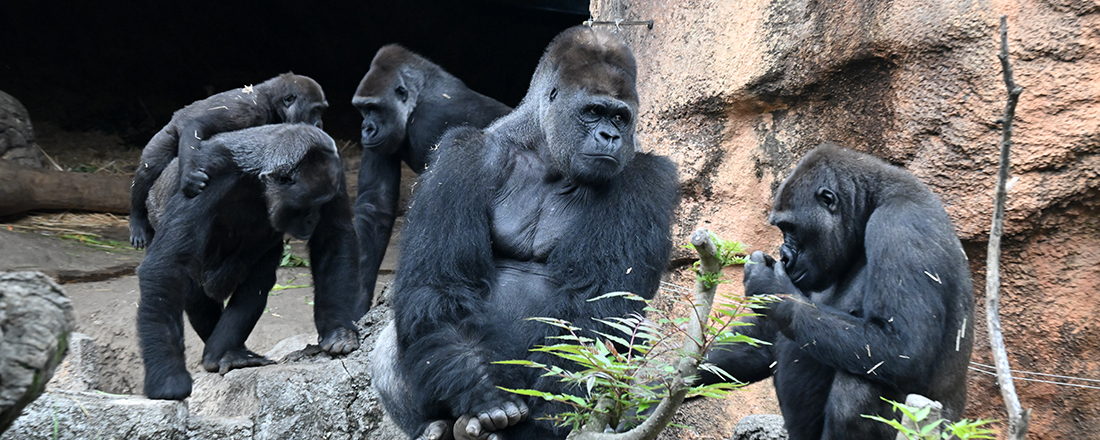
Ueno Zoo built its international reputation on giant pandas, which first arrived from China in 1972 and became a symbol of Sino-Japanese diplomatic ties; cubs born here, including Xiang Xiang in 2017 and twins Xiao Xiao and Lei Lei in 2021, drew huge domestic crowds. Visitors should note the giant panda exhibit concluded in early 2026 when the zoo’s pandas were returned to China, so the park’s other signature exhibits are now the main draw: Gorilla Woods and Tiger Forest put visitors nose-to-nose with western lowland gorillas and Sumatran tigers, while the West Garden’s African section houses black rhinos, hippos, giraffes, and the striking forest giraffe, the okapi.
Other highlights include Saruyama (Monkey Mountain), Japan’s oldest surviving open-air monkey enclosure, the Vivarium reptile and amphibian house, a Nocturnal House for pangolins and slow lorises, and Shinobazu Pond, a wild habitat for endangered common cormorants within the West Garden. A dedicated Children’s Zoo lets younger visitors get close to goats, rabbits, and guinea pigs.
General admission is 600 yen for adults, 300 yen for seniors, 200 yen for junior high students, and free for elementary-age children and younger. The zoo is a short walk from JR Ueno Station and is also served directly by the Ueno, Nezu, and Keisei Ueno stations, making it one of the most accessible major attractions in central Tokyo.