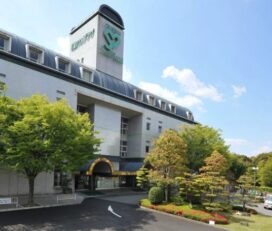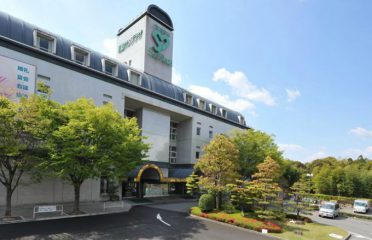
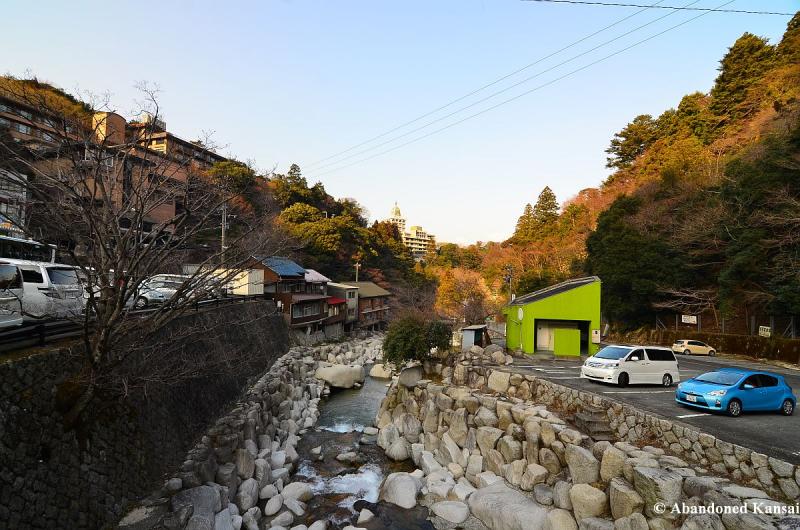
Tucked into the Yunoyama Onsen district in Hiroshima’s Yuki-cho, Yunoyama Onsenkan is a small day-use bathhouse with a distinctly old-school toji—hot-spring cure—atmosphere. The broader Yunoyama hot-spring area is said to have been discovered about 1,200 years ago, and it developed as a therapeutic retreat during the Edo period. Yunoyama Onsenkan sits at the far end of that historic bathing settlement rather than in a resort strip, so the appeal is less about polished spa glamour and more about making time for a local mountain onsen tradition.
Its signature experience is the unusual utase-yu: spring water descends from a rock face about four metres above, creating a cool waterfall-style shoulder shower. The source water is naturally cool—23.5°C according to the facility—while the indoor bath is warmed to about 41°C. Visitors can therefore combine a relaxed soak with the bracing waterfall-style rinse, choosing their own pace rather than treating the bathhouse as a quick photo stop. The facility identifies the spring as a simple weakly radioactive mineral spring, while the wider Yunoyama Onsen area is known as a radioactive-spring destination and National Hot Spring Health Resort.
Yunoyama Onsenkan is best approached as part of a slower Yuki countryside outing. The local area preserves a roughly 250-year-old toji site designated an Important Tangible Folk Cultural Property, and the bathhouse is about a 10-minute drive east of Yuki Onsen. Practical facilities include separate indoor baths, the outdoor utase-yu, free coin lockers, amenities, and nearby parking. Check the official site before setting out, since opening hours follow seasonal schedules and maintenance can occasionally close the facility. For travelers looking beyond Hiroshima’s city center, this is a focused, historic bathing stop where the distinctive rock-fed utase-yu is the reason to linger.