
Lake Seminole spreads across 37,500 acres in the far southwest corner of Georgia, right where the state lines of Georgia, Florida, and Alabama come together. The lake was formed by the Jim Woodruff Lock and Dam, built between 1947 and 1952 under the Rivers and Harbors Act of 1946 and named for James W. Woodruff Sr., the Georgia businessman behind the broader Apalachicola-Chattahoochee-Flint river project. Just below the dam, the lake’s outflow becomes the start of the Apalachicola River.
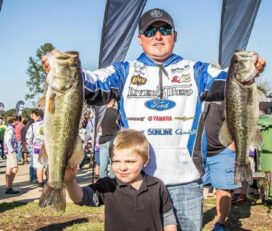
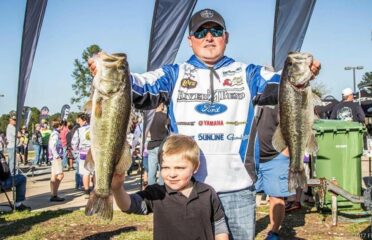
The lake itself forms where the Chattahoochee and Flint Rivers meet, and that mix of river water plus roughly 376 miles of shoreline and more than 22,000 acres of surrounding U.S. Army Corps of Engineers land makes it one of the busier recreation spots in the region — boating, camping, duck hunting, and fishing are all popular here. Much of the lake is flooded timber, and since the early 1990s hydrilla has spread to cover close to 70% of the water, which sounds like a nuisance but is exactly what makes Seminole such a strong fishery: largemouth bass, crappie, bream, channel and blue catfish, and stocked striped and hybrid bass all use that grass and timber for cover.
Anglers tend to target the backwater areas and the Spring Creek and Flint River arms especially from January through May, when largemouth bass move shallow to bed in coves and sandy flats. Hybrid and striped bass run up the rivers in spring and gather in the lower lake near the old river channels and the Indian Mounds closer to the dam in other seasons. The lake is also known for good duck hunting, with canvasbacks and ringnecks among the species hunters look for, and American alligators are a common sight along the shoreline.
The Jim Woodruff Lock itself is open to boat traffic by appointment only — call ahead to schedule a passage — and the U.S. Army Corps of Engineers manages the broader site for navigation, hydroelectric power, and public recreation alongside the fishing and hunting the lake is best known for.